The Fall and Rise of Levi, Once and Future Priest

We discussed in a recent post (link) the motif throughout Bereishit of bechira over bechora – that in almost every instance, the firstborn is passed over in deference to a favored younger sibling. As Leah’s oldest two children, Reuven and Shimon should rightfully have received the priesthood and monarchy, but they were passed over due to mistakes they made (see 49:4-7), leaving Levi and Yehuda to share the national leadership. Levi, too, was castigated for his role in the Shechem and Yosef affairs (49:5-7), leaving Yehuda with the monarchy and Ephraim, the younger but preferred son of Yosef, with the priesthood, which then fell to the bechorim after makat bechorot.

What makes Yaakov’s castigation of Levi unclear is that it appears to be overridden by Hashem later, when He tells Moshe that the Levi’im will in fact replace the bechorim in the priesthood after all:

ספר במדבר פרק ג פסוק יב
וַאֲנִי הִנֵּה לָקַחְתִּי אֶת הַלְוִיִּם מִתּוֹךְ בְּנֵי יִשְׂרָאֵל תַּחַת כָּל בְּכוֹר פֶּטֶר רֶחֶם מִבְּנֵי יִשְׂרָאֵל וְהָיוּ לִי הַלְוִיִּם

Was Yaakov wrong in assessing the relative merit of Levi? How did Levi’s descendants earn back the privilege which was taken from their ancestor at the end of Yaakov’s life? And why were Reuven and Shimon unable to earn back their lost glory, while Levi had no such trouble?

To answer this question, let’s look more carefully at Yaakov’s indictment of Shimon and Levi in Parshat Vayechi:

ספר בראשית פרק מט פסוקים ה-ז
שִׁמְעוֹן וְלֵוִי אַחִים כְּלֵי חָמָס מְכֵרֹתֵיהֶם
בְּסֹדָם אַל תָּבֹא נַפְשִׁי, בִּקְהָלָם אַל תֵּחַד כְּבֹדִי, כִּי בְאַפָּם הָרְגוּ אִישׁ, וּבִרְצֹנָם עִקְּרוּ שׁוֹר
אָרוּר אַפָּם כִּי עָז, וְעֶבְרָתָם כִּי קָשָׁתָה, אֲחַלְּקֵם בְּיַעֲקֹב, וַאֲפִיצֵם בְּיִשְׂרָאֵל

Yaakov’s two specific indictments of Reuven and Levi, bolded and underlined above, are that “in their anger they killed a man, and by their will they cut off an ox.” The man referenced here is Shechem, whom they deceived into making a peace treaty before killing when he was weak and defenseless after undergoing a circumcision (see Chapter 34, especially 34:25-31). The ox is Yosef, whom Shimon and Levi were involved in selling down the river (see especially 37:21 and 37:26, in which only Reuven and Yehuda come out looking relatively clean). Let’s take these two incidents separately.

After the killing of Shechem, Yaakov castigated Shimon and Levi for failing to take into account the threat that their action would constitute to Yaakov and his family in the future:

ספר בראשית פרק לד פסוק ל
וַיֹּאמֶר יַעֲקֹב אֶל שִׁמְעוֹן וְאֶל לֵוִי, עֲכַרְתֶּם אֹתִי לְהַבְאִישֵׁנִי בְּישֵׁב הָאָרֶץ, בַּכְּנַעֲנִי וּבַפְּרִזִּי, וַאֲנִי מְתֵי מִסְפָּר ,וְנֶאֶסְפוּ עָלַי וְהִכּוּנִי, וְנִשְׁמַדְתִּי אֲנִי וּבֵיתִי

As Yaakov further reminds them at the end of his life, they acted באפם, in their anger, in haste and impetuosity rather than with thoughtful resolve. How interesting, then, that Levi’s descendant Moshe acts so differently when faced with a similar challenge:

ספר שמות פרק ב פסוקים יא-יב
וַיְהִי בַּיָּמִים הָהֵם וַיִּגְדַּל משֶׁה וַיֵּצֵא אֶל אֶחָיו וַיַּרְא בְּסִבְלֹתָם וַיַּרְא אִישׁ מִצְרִי מַכֶּה אִישׁ עִבְרִי מֵאֶחָיו
וַיִּפֶן כֹּה וָכֹה וַיַּרְא כִּי אֵין אִישׁ וַיַּךְ אֶת הַמִּצְרִי וַיִּטְמְנֵהוּ בַּחוֹל

Notice the three-time repetition of וירא, and he saw, in the Pesukim above. As opposed to Levi, who killed in haste, Levi’s descendant Moshe acted more thoughtfully, as Rashi explains:

ויפן כה וכה – ראה מה עשה לו בבית, ומה עשה לו בשדה
וירא כי אין איש – 
עתיד לצאת ממנו שיתגייר

Moshe took the time to consider all aspects of what the Egyptian had done previously and the possible ramifications of this killing for the future. Only after this period of reflection, when Moshe had concluded that this killing would be fully appropriate, did he kill the Egyptian. Rather than act in anger like his great-grandfather Levi before him, Moshe acted with premeditation and forethought.

Yaakov’s other indictment of Shimon and Levi is that ברצונם עקרו שור – by their own will, they maimed an ox, i.e., Yosef. How interesting, then, that Levi’s grandson Amram acts so differently. Rashi points out the length to which Amram went to preserve life, even in the face of great adversity:

פירוש רש”י – ספר שמות פרק ב פסוק א
ויקח את בת לוי: פרוש
 היה ממנה מפני גזירת פרעה, וחזר ולקחה. וזהו “וילך,” שהלך בעצת בתו שאמרה לו גזרתך קשה משל פרעה, אם פרעה גזר על הזכרים, ואתה גם כן על הנקבות. והחזירה ועשה בה לקוחין שניים

After Pharaoh issued his decree that all boys be thrown in the river, Amram and Yocheved divorced, for fear that they would have to disown their own child. Their daughter Miriam persuaded them to come back together, arguing that their actions were worse than Pharaoh’s, for their decree would destroy both the girls and the boys! The subsequent reunification of Levi’s grandson Amram with Yocheved resulted in Moshe, who was sent up the river in a basket of pitch and clay – so much the opposite of Yosef’s being sold down the river in a caravan of sweet-smelling spices. Once again, Levi’s descendant found a way to recompense the action of Levi, adding a soul to the world in place of the one Levi sought to snuff out. Amram and Yocheved used רצונם to create life at a time of great risk, rather than follow the path of least resistance in lieu of Pharaoh’s decree. (There is even a hidden Yosef reference when Amram and Yocheved are no longer able to hide Moshe: ולא יכלו עוד הצפינו. Yosef’s Egyptian name was צפנת פענח.)

Levi’s descendants found ways to close the gaps that their ancestor had left behind. Yaakov’s curse was not incorrect, but it provided a valuable progress report by which Levi’s grandchildren would know what needed to be repaired in order to receive the position Levi had always rightfully earned as the other non-oldest son of Leah alongside Yehuda. Once Amram, Yocheved, and Moshe showed they had learned those lessons, the priesthood could be taken back from the bechorim and given to Levi. Unlike the descendants of Reuven and Shimon, those of Levi identified the weaknesses in their lineage and worked to correct them through positive action.

Beracha is an expression of potential; nevuah is an opportunity to be used or squandered. Levi and his descendants faced the punishment of losing the priesthood, but they also realized that they were armed with the tools to change the future predicted for them. Levi’s descendants heard the call in the dire nevuot made to their ancestor, made amends, and earned back their lost glory. The Jews in Yirmiyahu’s generation heard his nevuot about the coming destruction of the first Beit Hamikdash, but they failed to change the future predicted in those ominous warnings. May we only have the ability to hear Hashem’s messages in our own lives – and the courage to act accordingly.

Posted in Parshat Hashavua | Leave a comment

The Modern Jewish Personalities Series

Over the past year I have given adult ed classes on the lives and literary hallmarks of four important Jewish personalities. Here are the handouts, for anyone out there who may find them to be useful. Perhaps at a later date I will add to this post with some guiding notes and highlights.

Ramchal – “Literary Kabbalistic Scholar”

Malbim – “Me’at Vera’im Hayu Yimei Shnei Chayei”

Nechama Leibowitz – “B’chal Yom K’Chadashim B’einecha”

Brisker Derech – History and Methodology (presented in memory of Rav Aharon Lichtenstein) – “Ki MiBrisk Teitzei Torah”

Posted in Jewish History | Leave a comment

Caste and Privilege: Bechora and Bechira in Sefer Bereishit

Watching the drama unfold when Yaakov blesses Yosef’s sons in Parshat Vayechi (see Bereishit 48:13-22), two questions emerge: Why does Yaakov elect to bless Yosef’s sons (or Yosef himself, if you prefer) before blessing his older sons? And why does Yaakov switch his hands in such a way that his right hand is on Ephraim, the younger son, rather than on Menashe, the older one?

In order to answer these questions, we need to take a more global view of the Book of Bereishit, paying attention to two aspects or avenues of chosenness: bechora, lineage; and bechira, preference.  Avraham has two sons – the bechor, Yishmael, is passed over in favor of the bechir, Yitzchak. Yitzchak’s bechor, Eisav, is passed over in favor of his bechir, Yaakov. (My father points out that the dramatic scenes surrounding Eisav’s sale of the birthright to Yaakov and the subsequent betrayal of Yitzchak are beside the point, because birkat Avraham was given to Yaakov anyway at a later point – see 28:3-4.)

The theme of bechira over bechora continues with the next generations. Yaakov chooses Rachel, the bechira, over Leah, the bechora. Thus, Rachel’s own bechor, Yosef, is his obvious favorite (see 37:3-4) and his choice for bechir over Reuven, Leah’s bechor. When it comes time to bless his own children, Yosef, by way of his children, is therefore blessed before Yaakov’s other children. (Notice in 48:15 that the Beracha is actually given to Yosef, not to his sons.) Within this blessing, Yaakov chooses to once again show deference to the bechir, Epharim, rather than the bechor, Menashe. Yaakov’s subsequent explanation for this choice (48:19) contains echos of the Yaakov/Eisav story, with the older Menashe cast as the new Eisav and the younger Ephraim as the new Yaakov. See the comparisons below, matching up the same-colored statements in the Yaakov/Eisav story (the first two sources) and the Ephraim/Menashe story (the third source):

(During Rachel’s pregnancy) בראשית פרק כה פסוק כג
וַיֹּאמֶר יְהֹוָה לָהּ שְׁנֵי גוֹיִם בְּבִטְנֵךְ וּשְׁנֵי לְאֻמִּים מִמֵּעַיִךְ יִפָּרֵדוּ וּלְאֹם מִלְאֹם יֶאֱמָץ וְרַב יַעֲבֹד צָעִיר

(After Yaakov receives first blessing) בראשית פרק לו פסוק לג, לז
וַיֶּחֱרַד יִצְחָק חֲרָדָה גְּדֹלָה עַד מְאֹד וַיֹּאמֶר מִי אֵפוֹא הוּא הַצָּד צַיִד וַיָּבֵא לִי וָאֹכַל מִכֹּל בְּטֶרֶם תָּבוֹא וָאֲבָרֲכֵהוּ גַּם בָּרוּךְ יִהְיֶה
וַיַּעַן יִצְחָק וַיֹּאמֶר לְעֵשָׂו הֵן גְּבִיר שַׂמְתִּיו לָךְ וְאֶת כָּל אֶחָיו נָתַתִּי לוֹ לַעֲבָדִים וְדָגָן וְתִירשׁ סְמַכְתִּיו וּלְכָה אֵפוֹא מָה אֶעֱשֶׂה בְּנִי

(After Ephraim and Menashe are blessed) בראשית פרק מח פסוק יט
וַיְמָאֵן אָבִיו, וַיֹּאמֶר, יָדַעְתִּי בְנִי יָדַעְתִּי, גַּם הוּא יִהְיֶה לְעָם, וְגַם הוּא יִגְדָּל, וְאוּלָם, אָחִיו הַקָּטֹן יִגְדַּל מִמֶּנּוּ, וְזַרְעוֹ יִהְיֶה מְלֹא הַגּוֹיִם

In Yaakov’s implicit comparison of Menashe to Eisav and Ephraim to himself, coupled with his blessing them (ala Yosef) before the other brothers, there is a vision of the Jewish future which appears unrecognizable to us. It even appears that Yaakov envisioned another religious schism – גַּם הוּא יִהְיֶה לְעָם – which is understandable given that the firstborns Yishmael and Eisav each defected to create their own nation while each of their younger brothers became the head of the Jewish nation. The older Menashe and younger Ephraim would follow that same pattern, or so Yaakov assumed. Yet in actual fact, neither one of these two would come to define Jewish destiny for milennia to come, and neither would seem to emerge as the neuvo Yaakov or Eisav, the leader of the Jewish nation or of any other competing nation. What happened to Yaakov’s vision of the Jewish future, one in which the Jewish nation is presided over by Ephraim or his descendants while Menashe’s children form a nation that goes in a separate direction?

It turns out that Yaakov was right and wrong. His selection of bechira over bechora again was warranted, but it was not fulfilled in the way he envisioned. Instead, the chosen bechir and rejected bechor would both come from the same mother: Leah. Her first two sons, Reuven and Shimon, were written off the page of Jewish leadership. Her other two sons, Levi and Yehuda, earned the priesthood and monarchy respectively. Bechir triumphed over bechor once again, but both would come from the same mother, while Rachel’s own children are largely omitted from the remainder Jewish history. When Yaakov accepts Ephraim and Menashe as his bechir – אפרים ומנשה, כראובן ושמעון יהיו לי – he would be incorrect inasmuch as the actual new bechirim are none other than the other sons of Leah. It seems that Yaakov’s acceptance of Rachel over Leah is misguided: It is not bechira Rachel’s bechor who is chosen as the new bechir, but bechora Leah’s own latter two children in tandem.

In a remarkable twist of fate, the Haftarah for Vayigash allows us to come full circle:

ספר יחזקאל פרק לז פסוקים טז-יט
וְאַתָּה בֶן אָדָם קַח לְךָ עֵץ אֶחָד וּכְתֹב עָלָיו לִיהוּדָה וְלִבְנֵי יִשְׂרָאֵל חֲבֵרָיו וּלְקַח עֵץ אֶחָד וּכְתוֹב עָלָיו לְיוֹסֵף עֵץ אֶפְרַיִם וְכָל בֵּית יִשְׂרָאֵל חֲבֵרָיו
וְקָרַב אֹתָם אֶחָד אֶל אֶחָד לְךָ לְעֵץ אֶחָד וְהָיוּ לַאֲחָדִים בְּיָדֶךָ
וְכַאֲשֶׁר יֹאמְרוּ אֵלֶיךָ בְּנֵי עַמְּךָ לֵאמֹר הֲלוֹא תַגִּיד לָנוּ מָה אֵלֶּה לָּךְ
דַּבֵּר אֲלֵהֶם כֹּה אָמַר אֲדֹנָי יֱהֹוִה הִנֵּה אֲנִי לֹקֵחַ אֶת עֵץ יוֹסֵף אֲשֶׁר בְּיַד אֶפְרַיִם וְשִׁבְטֵי יִשְׂרָאֵל חֲבֵרָיו וְנָתַתִּי אוֹתָם עָלָיו אֶת עֵץ יְהוּדָה וַעֲשִׂיתִם לְעֵץ אֶחָד וְהָיוּ אֶחָד בְּיָדִי

Here Yechezkel is instructed to take two wooden tablets, writing on one of them Ephraim, representing Yosef, and on the other Yehuda. This is not a reunification of the sort that Yaakov envisioned, of a split between Menashe and Ephraim, but rather of a split between Yosef and Yehuda – the bechir of Yaakov’s children in toto and the bechir of Leah’s children in particular. These two competing visions of bechir would come to define a powerful schism in Jewish history: Yaakov’s choice for bechir as compared with the will of the nation.

In truth, Yaakov’s choice for bechir is less than clear. He seems to elect Ephraim to the position, but his blessing to Yehuda – ישתחוו לך בני אמך … לא יסור שבט מיהודה – also makes it clear that Leah’s youngest will achieve the monarchy, even while Levi appears to lose everything when he is harshly upbraided by Yaakov. Perhaps Yaakov envisioned that Rachel and Leah would each earn a bechir – Ephraim, as the last-born of the bechira Rachel, would earn the priesthood, while Yehuda, as the last-born and bechir from the bechora Leah, would earn the monarchy. Yaakov’s blessing to Yosef’s children is, after all, of a more spiritual nature than Yehuda’s (האלקים הרועה אתי מעודי עד היום הזה). Either way, history would judge Levi – and Ephraim – differently than Yaakov does. Hashem would accept Levi as the rightful heirs to the priesthood, as He explicitly states in Bamidbar 3:12, when the Levi’im replace the firstborn – the bechorim – as the priestly caste. Once again, bechir (Levi) supplants bechor. This time, however, one bechir – Levi – also replaces another bechir – Ephraim, who had been chosen for the priesthood before the bechorim took over temporarily at Makat Bechorot.

All of this is to say that the measure of chosenness in Jewish life and leadership is not a product of birth but of effort, not of chance but of toil. Not a single bechor in the Book of Bereishit is successful in earning Divine favor, and the tradition continues with the selection of Levi – the only legitimate bechir to be rejected by Yaakov – over the bechorim to serve as Kohanim to the nation.

This theme of bechora vs. bechira is a source of constant tension in the Book of Bereishit, and particularly in Yaakov’s own life. Yaakov fights with his father, his uncle, his sons, and ultimately even with Yosef about whether the relative merits of an individual should determine his superiority over the rightful lineage of another. When Yaakov tells Pharaoh that מעט ורעים היו ימי שני חיי, he is looking back at a lifetime of struggle largely over this very issue. He is vindicated by history when the final bechir, Levi, ultimately replaces the bechorim as Kohanim, and the remainder of Tanach clearly indicates a preference for bechir over bechor. (Three quick examples: Aharon’s younger sons supersede his older ones; Korach, whose father is next in line after Amram, is nonetheless supplanted by the cousin of his younger uncle to be the leader of Kehat – see Rashi to Bamidbar 16:1, ודתן ואבירם; and the youngest son of Yishai, Dovid, is chosen to be the first king.)

When Shmuel tells the Jews (Shmuel I 9) that having a king will cause them endless problems, the Jews respond strangely, לא, כי מלך יהיה עלינו. Malbim sums up the response – and the role of a Jewish leader – beautifully:

פירוש המלבים לספר שמואל א פרק ט פסוק יט
גדר המלך הוא הנבחר מן העם … לא אנחנו נהיה משועבדים אליו לעבדים, רק יהיה משועבד אלינו להנהיג אותנו לפי חק ומשפט

Ultimately, bechora is a provisional title, affording one the burden to prove himself justified in keeping it. For a bechor to maintain his title, however, he must also prove himself a bechir – a task that is far more difficult.

Posted in Parshat Hashavua | 1 Comment

Blame Rav Aharon Lichtenstein: A Response to Marom Zour

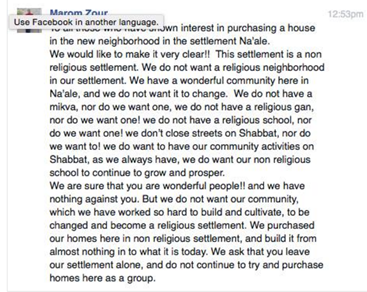
I came across an eye-opening item in a friend’s Facebook trough late last week. She was re-posting something which had come across her inbox from an irate secular Israeli with whom she is not personally acquainted. (The first words below are “To all those who have shown.”)

Naale

I found this rant illuminating because it points up in one hyper-dramatic paragraph the problem faced by secular Yishuvim all over Israel. By cutting religion out of their children’s connections to Israel, secular Israelis of the previous generation gave their children little reason to continue living there. Absent a Divine mandate, living in Israel becomes an act of asceticism at best and near-suicide at worst. What rational, secular-minded individual, raised without an ideology that only with God’s help can we win our battles, would choose to live in a country which any military tactician would label a ticking time-bomb? There are far more convenient places on earth to live – in fact probably almost any other country would be.

So naturally, this person’s children grew up, moved to a different country and, broadly speaking, all of her friend’s children did the same. Now her neighborhood has lots of open real estate and no one to move in – except for the kind of people who believe that a country with so few rational qualities may be worth living in anyway on account of its many esoteric ones. And then Ms. Zour goes on Facebook to rail against the religious for buying up homes in her settlement. But it is a too-little-too-late case of misplaced frustration. Ms. Zour blaming the religious folk for moving in is about as reasonable as castigating poor people for moving in to a suburban American neighborhood after the exodus of enough industry has caused real estate prices to plummet. (Incidentally, it has not gotten past me that the petitioner’s name means “traffic light.” Alias? Ideologically bankrupt parents? Matchmaking mishap? Hard to say.)

I was thinking about Ms. Zour over Shabbat as I heard so many beautiful stories about Rav Aharon Lichtenstein, zt”l. To be true to Brisker style, I would divide the recollections I have read and heard about this giant over the past week into two categories: those relating to the cheftza, the Torah he produced and his towering abilities in learning; and those related to the gavra, the magnanimity of his chessed and the strength of his personality. Yet an aspect of his greatness about which I have seen less discussion is the way in which he reshaped the conversation, both in America and in Israel, about the religious character of the State and of religious people’s contribution to it.

To be sure, Rav Aharon was not the first Orthodox American oleh, but the 1971 defection of Rav Soloveitchik’s 38-year-old son-in-law and heir apparent caused reverberations still felt when I arrived there decades later. Yeshivat Gush Etzion, of which Rav Aharon became co-Rosh Yeshiva, was not the first Hesder yeshiva; but it grew the acceptance in which Hesder would come to be felt by American young men. And as those boys began to learn and serve their Homeland, many stayed to live. American communities would be created, neighborhoods would be “mitchareid,” yishuvim could be reborn with mikvaot and religious schools, and Ms. Zour could one day hurl invective at her religious victors as they marched off the field smiling at her sudden defensiveness and loss of composure.

In line with the way he lived his life, Rav Aharon’s legacy as a patriarch of the new religious center-right ideology was not born of fiery oration or the creation of a political party. His was an understated, patient influence, one made evident by the conviction of his ideals, the sophistication of his intellectual passion, and by the glow of his personal example. As for Ms. Zour, her world was lost in 1971. While she was steadfastly and committedly giving her children little incentive to stay in Israel, Rav Aharon was, with equal gusto and by the force of his fertile mind and tactile personality, giving young men by the dozen every reason to stay, build communities, and remake the nation in a religious image. That Ms. Zour’s rant was published on or close to Rav Aharon’s passing drives home the irony that it is he who is to blame for Ms. Zour’s real estate problems. And who knows if, had he not been such a magnanimously genteel person, Rav Aharon himself might have chuckled at that very irony.

Yihi Zichro Baruch.

Posted in Communal Matters | Tagged , , , , , , | Leave a comment

The Millennia-Old Problem of Yom Ha’atzmaut in America

I asked a friend tonight if he could identify the most recent time in Jewish history that every single Jew was in the Land of Israel at the same time. He noticed that it wasn’t the time of Yehoshua, because 2 1/2 tribes (see Yehoshua 22:1-9) were on the other side of the Jordan (or at least their wives and children when the men were fighting in Israel; see Bamidbar 32:26-27). The answer, I offered, is even earlier than that in history: it is the moment just before Yosef’s Yishmaeli caravan crossed the border from Canaan into Egypt (see Bereishit 37:28). Yosef would never return, at least not alive (see Bereishit 50:25, Shemot 13:19, and Yehoshua 24:32). Reuven, Gad, and half of Menashe would decline to enter the Land for what sound like highly materialistic reasons – the better for their cattle to graze (see Bamidbar 32:1-2). Seventy years after the Jews were exiled to Bavel following the destruction of the first Beit Hamikdash, the majority chose not to return to the Land of Israel (see Ezra 2:64). It was the resulting Babylonian community which produced the Talmud Bavli – that essential bedrock of Jewish civilization – and whose tentacles spread outward to Spain (link), France, and Germany (link). Meanwhile, the Israeli community lay dormant, persecuted by Pablo Christiani after his conversion in 312 made life in Israel too difficult to be deemed worthwhile and the vast majority of the Israeli scholars moved to Bavel. The near-irrelevance of the Talmud Yerushalmi at any point in history makes clear that it was outside Israel that the Torah flourished in Talmudic times. It was in galut that we produced the Rambam, Tur, and Shulchan Aruch and all of their commentaries. For millennia, the question of whether we were geographically dislocated or how we could rectify that situation took a backseat to the question of how we could fulfill our God-given purpose in the world wherever we happened to find ourselves at the moment.

With the rise of European nationalism in the 19th century, a wave of Zionistic fervor took hold, eventually finding a religious foothold in the writings of Kook, Teichtal, and Tukochintsky. In the unclouded mind of the simple American Jew unencumbered by the antagonism of Satmar or the antipathy of Agudas Yisroel, a sense of Messianic progress is felt today after 1948, 1967, and even 1973 showed what seemed like at least B+ miracles, if not A-. Listening to a Lakewood-influenced Rav tonight express flippant sarcasm about Yom Ha’atzmaut, I couldn’t help wonder how he would have reacted if he had been present to see Keriyat Yam Suf, the splitting of the Reed Sea. “I mean, it was nice and everything – but shira? I don’t know. I need a little more than that. So a sea split – can we be sure that that is supposed to mean something?” How ironic that it is the frummest elements of our community today who would have been among the 4/5ths of the Jews who felt insufficiently impressed by the makkot to believe that they were supposed to mean that the redemption was imminent. A tiny Israeli army defeats the entire Arab world in six days? Who knows – I’m certainly not one to say it has Messianic significance. Missiles flying from Gaza reroute themselves to land in the sea, resulting in inexplicably few injuries and not a single death? Our job is to wait in Galut for a significant sign from Hashem that the end is near.

So we wait indeed, together, from the frummest cynics to the most apathetic Reformers, an incongruous mix crowded together at a rapidly decaying bus stop watching bus after bus pass by, bound together by our inability to recognize that all that time spent waiting for the bus was never intended to be the point of it all. Among us there are those who are teachers, leaders, outreach workers; we turn up our noses at our brethren on the bus who have disregarded the bus stop community and all of its heavy needs. But the students and laymen whom we teach, lead, and guide, they who have slowly turned the decrepit bus stop into a luxury hotel, largely have no response, and we begin to resent them too as the ruse grows older with each passing year. By and large, the leaders and teachers would be the first ones to finally board the bus if their services were no longer needed at the bus stop. For the entire crowd, but most particularly for the leaders, Yom Ha’atzmaut is less a day of revelry than one of reflection and consternation: What is going on here? Why are we watching buses pass by when we could be sitting on them? But an escape hatch, an exit strategy, appears noticeably and inexplicably lacking as all our pleading to the crowds falls on deaf ears. An American Jewish outreach worker said to me a few years ago, “I like Israel, but I love Jews.” To we who have prioritized the crowds at the bus stop over the destination promised by the passing buses, we have been offered a nauseating choice by our proteges: abandon the historical principle for which we have striven since Yosef’s caravan left Canaan, or abandon the responsibility we have been handed in our own time. At least for me, no day represents that awful choice more than Yom Ha’atzmaut.

I will dance with my students tomorrow in the dwindling hope that at least a few will board the bus when they have the chance in a few years, and indeed it is possible that some of them finally will, even after their parents’ apathy gives us little reason to expect that the next generation, too, will not spend a lifetime watching buses pass by. Yet I will also continue to teach my 6th graders shalshelet ha’mesorah tomorrow, the history of Halacha, one colored by individuals who by and large thought far less than we do about the possibility of moving to Israel and yet who managed to accomplish an awful lot stuck out in the rain. Can we be certain that, even if Mashiach came tomorrow and the third Beit Hamikdash was built, there would not continue to be a Diaspora community, as there was during the time of the second Beit Hamikdash? Aside from the millions of Israeli citizens who, absent a State, would make the Diaspora community far more vibrant than it is today, is there any reason to believe that we cannot be equally or more productive than Yosef, Mordechai, Shmuel Hanagid, or Abarbanel – each of whom maintained dual relationships with the King above and the king below? Perhaps we can do so much more at the bus stop than watch buses pass by, as so many did before us; or perhaps that is an outmoded hope which has not been relevant since the United Nations told us even more boldly than Koresh in his time that the time has come to punch a one-way return ticket home.

My friend remarked that it is interesting that Yosef’s caravan of Yishmaelim marked the end of the time of complete Jewish population in Israel, because it is Mashiach ben Yosef who will bring us back together once again. Quite right. Although Galut Mitzrayim was preordained, it also had to be brought about by our own hands, by an unconscionable act of baseless brotherly hatred. So began what has in reality been a single exile, albeit one with different stages. Today we stand on the cusp of redemption, but perhaps our only ticket out is to act on an urge of brotherly love unequaled in its intensity since the reverse emotion brought about that very exile. Short of that impulse, as Tevya said, “I guess we’ll just have to wait someplace else.”

Posted in Communal Matters, Yom Ha'atzmaut | Leave a comment

Does a Spoonful of Bitter Make the Liberty Go Down? Questioning the Seder of the Seder

In the pantheon of great ideas, coining the term “seder” for the seder was probably right in the middle. On the one hand, there is clearly an intrinsic importance to the order (seder) itself, as shown by our naming the entire evening after that very order, our naming the parts themselves, our reciting the order in ecstatic song, and our ending the evening with a ditty noting our hope that Hashem accept our “order” and that we merit to “order” it again in the future. Yet at the same time, there is a randomness to the way in which some of the pieces fall out, with one particular problem arising in relation to marror.

My local Orthodox rabbi spoke over the first days of Pesach this year about the fact that the order in which we mention the principal elements of the seder at the end of Maggid – Pesach, Matzah, and Marror – begs the question that marror should have been listed at the beginning of that trifecta, representing as it does the earlier part of the process, the slavery. (Pesach might come second, as it represents Hashem’s involvement just prior to the exodus; matzah, representing the exodus itself, would be last.) I would add to the question that the point in the evening at which we eat the marror is likewise backwards – shouldn’t we begin the seder by eating marror, then discuss the exodus (Maggid), then eat matzah, and only then drink the first cup of wine?

We have discussed previously (link) that the seder is less about slavery or freedom per se as it is about the ability to feel free even while as yet enslaved. There certainly might be an extension of this idea hiding in our leading off the seder with wine and waiting until later to eat the marror, as these really are two halves of the same coin. But to build off that idea, we could also say that we experience the bitterness differently after we understand how it has contributed to our eventual freedom. Rashi, in explaining why the Torah needs to list every single stopping point in the Jews’ journey through the Midbar (במדבר לג:א – ורבי תנחומא דרש בו), presents an analogy in which a king (of course) and his son are returning from a journey they had undertaken to find the son a cure for his illness. On their journey back, all of the places previously associated with the anxiety of the first journey are now revisited with a fresh coat of paint, reinterpreted newly with the knowledge that the son has since been cured. If we ate marror at the beginning of the seder – and who knows, maybe it is hinted at through karpas (hence the Halacha that we have marror in mind during karpas) – the marror would represent an unadulterated view of the slavery, one unaware of the way in which the slavery was later turned to freedom. By eating marror after we are already free, the marror itself becomes a symbol of freedom, aware as it now is of the freedom which it foretold back when times were tough. As Rashi pointed out, commensurate with the extent of the slavery is the jubilation one feels in reliving it after he has already become free.

This may likewise explain the particular choice of marror. Mishna Berura (473:42) explains that romaine lettuce is the preferred choice for marror because it transitions in its growth cycle from soft to hard and or from sweet to bitter. By the time we eat it, of course, it is no longer bitter at all, as it has transitioned again from bitter to neutral. The life-cycle of romaine lettuce mirrors that of the slavery which it comes to represent. As much as we appreciate freedom by reliving its antecedent, our experience of slavery is likewise heightened by our understanding whence it led.

Extra credit questions:

1) The Haggadah emphasizes the fact that we ate (and continue to eat) matzah because we left Egypt in such a hurry that we did not have time for the matzah to rise and become bread. This most assuredly may be so, but is it meant to extol a virtue on the part of our ancestors, or to describe a shortcoming? After all, the Jews were given repeated warnings that that evening was to be the exodus. See, for example, Shemot 11:1 and 12:8, each of which [see 12:1] is being told to the Jews weeks beforehand! Could it be that these Jews, the 1/5th who actually believed that there would be an exodus (see Rashi to Shemot 13:18), still harbored enough doubt that they did not even bother to cook the very matzot they were specifically told on Rosh Chodesh they would need two weeks later? צריך עיון.

2) If as far as anyone can ascertain, the earliest printing of Chad Gadya was in 1590 (link), why is it written in Aramaic? Why would 16th-century German Jews write (or translate) a song using Aramaic? And a children’s song no less – is that what the kids were speaking in 16th-century Germany? I don’t think so. Maybe to add an air of authenticity to a latter-day addition? צריך עיון קצת.

Posted in Holidays, Pesach | Leave a comment

Pharaoh’s Man Problem and the Birth of Jewish Exceptionalism

Did Pharaoh have a problem with men? Or did he have a larger agenda in ordering the boys to be killed? Exploring two parallel stories – the first near the beginning of Parshat Lech Lecha, the second spanning the end of Bereishit and the beginning of Shemot – opens up the possibility that the office of the Egyptian monarch harbored a plan more systemic, methodological, and even ideological than usually assumed.

Let’s explore the beginning of the first story, Bereishit 12.

בראשית פרק יב
י
וַיְהִ֥י רָעָ֖ב בָּאָ֑רֶץ וַיֵּ֨רֶד אַבְרָ֤ם מִצְרַ֙יְמָה֙ לָג֣וּר שָׁ֔ם כִּֽי־כָבֵ֥ד הָרָעָ֖ב בָּאָֽרֶץ

An important thing to notice, and one which will factor into our analysis of this story (which we will call Story #1), is that the famine here mirrors the two later famines in the Book of Bereishit. The first of those (see 26:1 ff.), which opens with a seemingly gratuitous reference to the famine in our story, involves Yitzchak and seems to parallel our story, in that Avimelech, the King of Gerar, abducts and nearly sleeps with Rivka. But the third famine (Chapters 31 ff.), to which we will pay more attention, is the one experienced by Yaakov and most of his sons, sans Yosef, and it is that famine which ultimately sends the Jewish people down to Egypt for centuries of slavery. Let’s compare the beginning of Avraham’s famine (story #1, above) with the beginning of Yaakov’s famine (which we will call Story #2):

בראשית פרק מא
נד
וַתְּחִלֶּ֜ינָה שֶׁ֣בַע שְׁנֵ֤י הָרָעָב֙ לָב֔וֹא כַּאֲשֶׁ֖ר אָמַ֣ר יוֹסֵ֑ף וַיְהִ֤י רָעָב֙ בְּכָל־הָ֣אֲרָצ֔וֹת וּבְכָל־אֶ֥רֶץ מִצְרַ֖יִם הָ֥יָה לָֽחֶם
נה וַתִּרְעַב֙ כָּל־אֶ֣רֶץ מִצְרַ֔יִם וַיִּצְעַ֥ק הָעָ֛ם אֶל־פַּרְעֹ֖ה לַלָּ֑חֶם וַיֹּ֨אמֶר פַּרְעֹ֤ה לְכָל־מִצְרַ֙יִם֙ לְכ֣וּ אֶל־ יוֹסֵ֔ף אֲשֶׁר־יֹאמַ֥ר לָכֶ֖ם תַּעֲשֽׂוּ
נו וְהָרָעָ֣ב הָיָ֔ה עַ֖ל כָּל־פְּנֵ֣י הָאָ֑רֶץ וַיִּפְתַּ֨ח יוֹסֵ֜ף אֶֽת־כָּל־אֲשֶׁ֤ר בָּהֶם֙ וַיִּשְׁבֹּ֣ר לְמִצְרַ֔יִם וַיֶּחֱזַ֥ק הָֽרָעָ֖ב בְּאֶ֥רֶץ מִצְרָֽיִם
נז וְכָל־הָאָ֙רֶץ֙ בָּ֣אוּ מִצְרַ֔יְמָה לִשְׁבֹּ֖ר אֶל־יוֹסֵ֑ף כִּֽי־חָזַ֥ק הָרָעָ֖ב בְּכָל־הָאָֽרֶץ

בראשית פרק מג
א וְהָרָעָ֖ב כָּבֵ֥ד בָּאָֽרֶץ

If a parallel can be drawn between the famine which drew Avraham to Egypt temporarily and the famine which brought the collective Jewish people down to Egypt for a far longer duration, it would not be interrupted by Yitzchak’s famine, one which, after all, did not result in Yitzchak’s leaving Israel for Egypt, which is why Yitzchak dealt with Avimelech of Gerar rather than Pharaoh. But in any event, the first parallel between Story #1 (Avraham’s famine) and Story #2 (Yaakov’s famine) – between our first and second national sojourns in Egypt – is the idea of famine.

Let’s continue with the Avraham story:

יא וַיְהִ֕י כַּאֲשֶׁ֥ר הִקְרִ֖יב לָב֣וֹא מִצְרָ֑יְמָה וַיֹּ֙אמֶר֙ אֶל־שָׂרַ֣י אִשְׁתּ֔וֹ הִנֵּה־נָ֣א יָדַ֔עְתִּי כִּ֛י אִשָּׁ֥ה יְפַת־מַרְאֶ֖ה אָֽתְּ
יב וְהָיָ֗ה כִּֽי־יִרְא֤וּ אֹתָךְ֙ הַמִּצְרִ֔ים וְאָמְר֖וּ אִשְׁתּ֣וֹ זֹ֑את וְהָרְג֥וּ אֹתִ֖י וְאֹתָ֥ךְ יְחַיּֽוּ

Avraham seems to have a surprisingly lucid advance awareness of the proclivities of a foreign monarch as they relate to his own wife. Where else do we find similar wording in Chumash? Let’s return to Story #2, the second national sojourn to Egypt:

שמות פרק א
טז וַיֹּ֗אמֶר בְּיַלֶּדְכֶן֙ אֶת־הָֽעִבְרִיּ֔וֹת וּרְאִיתֶ֖ן עַל־הָאָבְנָ֑יִם אִם־בֵּ֥ן הוּא֙ וַהֲמִתֶּ֣ן אֹת֔וֹ וְאִם־בַּ֥ת הִ֖וא וָחָֽיָה
כב וַיְצַ֣ו פַּרְעֹ֔ה לְכָל־עַמּ֖וֹ לֵאמֹ֑ר כָּל־הַבֵּ֣ן הַיִּלּ֗וֹד הַיְאֹ֙רָה֙ תַּשְׁלִיכֻ֔הוּ וְכָל־הַבַּ֖ת תְּחַיּֽוּן

Parallel #2: Pharaoh’s Man Problem. He seems to really likes women, and he also really seems to like killing men. While it is true that Avraham’s fears in Story #1 sound narrowly confined to his wife’s rapturous beauty, maybe more is at stake: Pharaoh’s understanding, perhaps on account of that unusual beauty, that Avraham is on course to develop a nation which will change the world, and that the only way to neutralize that possibility is to capitalize on it by getting to Sarah first – if only she is not already married. The newborn baby girls in Story #2, as well, harbor the possibility of creating just such a nation with the Egyptian men they will have to grow up and marry – if, again, there are no Jewish men with whom to procreate instead. In both stories, eliminating the pesky Jewish male allows for the possibility that the remaining women will have no recourse but to propagate through Egyptian men the ultimate nation on earth.

Let’s proceed with Story #1:

בראשית פרק יב
יג
אמְרִי־נָ֖א אֲחֹ֣תִי אָ֑תְּ לְמַ֙עַן֙ יִֽיטַב־לִ֣י בַעֲבוּרֵ֔ךְ וְחָיְתָ֥ה נַפְשִׁ֖י בִּגְלָלֵֽךְ
יד וַיְהִ֕י כְּב֥וֹא אַבְרָ֖ם מִצְרָ֑יְמָה וַיִּרְא֤וּ הַמִּצְרִים֙ אֶת־הָ֣אִשָּׁ֔ה כִּֽי־יָפָ֥ה הִ֖וא מְאֹֽד
טו וַיִּרְא֤וּ אֹתָהּ֙ שָׂרֵ֣י פַרְעֹ֔ה וַיְהַֽלְל֥וּ אֹתָ֖הּ אֶל־פַּרְעֹ֑ה וַתֻּקַּ֥ח הָאִשָּׁ֖ה בֵּ֥ית פַּרְעֹֽה
טז וּלְאַבְרָ֥ם הֵיטִ֖יב בַּעֲבוּרָ֑הּ וַֽיְהִי־ל֤וֹ צֹאן־וּבָקָר֙ וַחֲמֹרִ֔ים וַעֲבָדִים֙ וּשְׁפָחֹ֔ת וַאֲתֹנֹ֖ת וּגְמַלִּֽים

At first glance, Avraham’s plan is surprisingly narcissistic – לְמַ֙עַן֙ יִֽיטַב־לִ֣י בַעֲבוּרֵ֔ךְ וְחָיְתָ֥ה נַפְשִׁ֖י בִּגְלָלֵֽךְ, in order that it should be good for me for your sake, and my life will be saved on account of you. Isn’t he concerned at all that his dear wife not be abducted or harmed? Notice the parallel between וְחָיְתָ֥ה נַפְשִׁ֖י and וְאֹתָ֥ךְ יְחַיּֽוּ in Bereishit 12, and וְאִם־בַּ֥ת הִ֖וא וָחָֽיָה and וְכָל־הַבַּ֖ת תְּחַיּֽוּן in Shemot 12.

So far our parallels are famine, Pharaoh’s desire to destroy specifically men and create a nation with the remaining women, and the concomitant desire shared by Avraham, Shifra, and Puah to preserve a threatened nation. Let’s return to the Avraham story:

בראשית פרק יב
יז וַיְנַגַּ֨ע יְהֹוָ֧ה ׀ אֶת־פַּרְעֹ֛ה נְגָעִ֥ים גְּדֹלִ֖ים וְאֶת־בֵּית֑וֹ עַל־דְּבַ֥ר שָׂרַ֖י אֵ֥שֶׁת אַבְרָֽם

Here the parallel is too obvious, but let’s look at it anyway:

שמות פרק יא
א וַיֹּ֨אמֶר יְהֹוָ֜ה אֶל־מֹשֶׁ֗ה ע֣וֹד נֶ֤גַע אֶחָד֙ אָבִ֤יא עַל־פַּרְעֹה֙ וְעַל־מִצְרַ֔יִם אַֽחֲרֵי־כֵ֕ן יְשַׁלַּ֥ח אֶתְכֶ֖ם מִזֶּ֑ה כְּשַׁ֨לְּח֔וֹ כָּלָ֕ה גָּרֵ֛שׁ יְגָרֵ֥שׁ אֶתְכֶ֖ם מִזֶּֽה

In both cases, Pharaoh and a cast surrounding him – his household in Story #1, and his entire country in Story #2 – are struck with נגעים, unidentified “afflictions.” The word נגע also means to touch or to be personally affected by something, and Pharaoh is indeed being visited by Hashem to let him know that His love interest is elsewhere and that Pharaoh’s services will not be needed in crafting the chosen people.

Back to Story #1:

בראשית פרק יב
יח וַיִּקְרָ֤א פַרְעֹה֙ לְאַבְרָ֔ם
וַיֹּ֕אמֶר מַה־זֹּ֖את עָשִׂ֣יתָ לִּ֑י לָ֚מָּה לֹא־הִגַּ֣דְתָּ לִּ֔י כִּ֥י אִשְׁתְּךָ֖ הִֽוא
יט לָמָ֤ה אָמַ֙רְתָּ֙ אֲחֹ֣תִי הִ֔וא וָאֶקַּ֥ח אֹתָ֛הּ לִ֖י לְאִשָּׁ֑ה וְעַתָּ֕ה הִנֵּ֥ה אִשְׁתְּךָ֖ קַ֥ח וָלֵֽךְ

And ahead to Story #2:

שמות פרק יב
לא וַיִּקְרָא֩ לְמֹשֶׁ֨ה וּֽלְאַהֲרֹ֜ן לַ֗יְלָה וַיֹּ֙אמֶר֙ ק֤וּמוּ צְּאוּ֙ מִתּ֣וֹךְ עַמִּ֔י גַּם־אַתֶּ֖ם גַּם־בְּנֵ֣י יִשְׂרָאֵ֑ל וּלְכ֛וּ עִבְד֥וּ אֶת־יְהֹוָ֖ה כְּדַבֶּרְכֶֽם

In an act of late-night desperation, Pharaoh calls to Avraham or to Moshe and Aharon – the ultimate abdication of his coveted throne and high position – and sends them contemptuously off on their national journey. Yet Pharaoh’s admission of defeat in both stories equates to his accepting that it is Hashem Who will choose His nation, not Pharaoh; as we see Pharaoh lower himself, we also see him wave the white flag to forfeit his battle to be the leader of the nation chosen by God. Hence,

שמות פרק יב
לב … וָלֵ֑כוּ וּבֵֽרַכְתֶּ֖ם גַּם־אֹתִֽי

So far we have seen famine, a desire by Pharaoh to usurp the status of chosen nation, a negative Jewish reaction, and Hashem’s acquiescence to the latter. Back to Story #1, we see the response of Pharaoh in the form of a tribute to a man in bequest of his sister:

בראשית פרק יב
טז וּלְאַבְרָ֥ם הֵיטִ֖יב בַּעֲבוּרָ֑הּ וַֽיְהִי־ל֤וֹ צֹאן־וּבָקָר֙ וַחֲמֹרִ֔ים וַעֲבָדִים֙ וּשְׁפָחֹ֔ת וַאֲתֹנֹ֖ת וּגְמַלִּֽים
בראשית פרק יג
א וַיַּעַל֩ אַבְרָ֨ם מִמִּצְרַ֜יִם ה֠וּא וְאִשְׁתּ֧וֹ וְכָל־אֲשֶׁר־ל֛וֹ וְל֥וֹט עִמּ֖וֹ הַנֶּֽגְבָּה
ב וְאַבְרָ֖ם כָּבֵ֣ד מְאֹ֑ד בַּמִּקְנֶ֕ה בַּכֶּ֖סֶף וּבַזָּהָֽב

And ahead to Story #2 for the tribute to a God newly acknowledged as the ultimate Judge of Whom to choose as His nation:

שמות פרק יב
לב גַּם־צֹאנְכֶ֨ם גַּם־בְּקַרְכֶ֥ם קְח֛וּ כַּאֲשֶׁ֥ר דִּבַּרְתֶּ֖ם וָלֵ֑כוּ וּבֵֽרַכְתֶּ֖ם גַּם־אֹתִֽי

Back to Story #1 for the result of that decision by Pharaoh:

בראשית פרק יב
כ וַיְצַ֥ו עָלָ֛יו פַּרְעֹ֖ה אֲנָשִׁ֑ים וַֽיְשַׁלְּח֥וּ אֹת֛וֹ וְאֶת־אִשְׁתּ֖וֹ וְאֶת־כָּל־אֲשֶׁר־לֽוֹ

And the parallel result in Story #2:

שמות פרק יב
לג וַתֶּחֱזַ֤ק
מִצְרַ֙יִם֙ עַל־הָעָ֔ם לְמַהֵ֖ר לְשַׁלְּחָ֣ם מִן־הָאָ֑רֶץ כִּ֥י אָמְר֖וּ כֻּלָּ֥נוּ מֵתִֽים

Here the Egyptians make a cost-benefit analysis: the loss to our own people (“כֻּלָּ֥נוּ מֵתִֽים”) has grown too great to maintain the advantages of maintaining our relationship with this nation or its G-d, or the increasingly remote possibility that we will usurp its crown as the nation of G-d.

So we have seen, in two parallel stories, a false assumption by Pharaoh as to the possibility that he can claim the mantle of chosen nation for his own people, preventative action by the Jews, Hashem’s intervention on the Jews’ behalf, Pharaoh’s acceptance of the new reality, and his resulting expulsion of the Jews from his land. Let’s return to the role of the famines. On a simple level, the famines are merely conduits for Pharaoh to begin to interact with the Jews, but perhaps there is yet more to this particular choice of alibi. On the one hand, nothing more so than famine demonstrates Hashem’s ability to control nature at will, as this disruption of the natural order reminds us both that it is He who gives us food and that it is He Who takes it away. Yet at the same time, by decreeing famine in the entire world other than Egypt, Hashem was setting Pharaoh up for the very delusion that would eventually bring him down. It was to be the match-up of the century: G-d-Who-Controls-Nature vs. King-Who-Calls-His-Own-Shots. And having arranged the confrontation, the Referee would declare Himself the winner.

The roots of the Jewish-Egyptian conflict are here in Bereishit 12, but so too are the lessons that Pharaoh, and the Jews, will need to learn later. Pharaoh is in control of most of the known world, but he cannot control the pesky gnat that is flying in his face. His ego and sense of equilibrium are undone first by a mysterious stranger and his sister, and then by a minority population which mushrooms to become a threat of catastrophic proportions. Yet through it all, Pharaoh must acknowledge his own limitation in deference to a higher power, and consequently that there even is a higher power in comparison with which he is so limited. And therein lies the rub: to lose to a superpower would be humiliating enough; to lose to a gnat, even more so. Yet understanding that that gnat is pulled along on a string by the greatest Superpower of all, and that it is that Superpower which has truly gotten the best of you, assuages the pain. Pharaoh will never rule the chosen nation, but a chastened one which in its own way has unwittingly allowed the Name of the Superpower and of His chosen nation to be proclaimed throughout the world. With a country in ruins, that may be small comfort, but it is perhaps all one Superhero can offer a recovering superpower for the long road home from battle and the dark millennia ahead.

—–

Until now we have compared Avraham’s descent to Egypt with the later descent of Yaakov’s sons. In their acting out of a desire to preserve their nation, however, Avraham and Sarah can also be compared to another seminal pair in Tanach – Mordechai and Esther. Let’s review one of the Pesukim in the Avraham story:

בראשית פרק יב
אמְרִי־נָ֖א אֲחֹ֣תִי אָ֑תְּ לְמַ֙עַן֙ יִֽיטַב־לִ֣י בַעֲבוּרֵ֔ךְ וְחָיְתָ֥ה נַפְשִׁ֖י בִּגְלָלֵֽךְ

The addition of נַפְשִׁ֖י here may indicate that Avraham is acting beyond the immediate need for self-preservation. Avraham’s plea here may parallel Esther’s in Megillat Esther:

אסתר פרק ז
ג וַתַּ֨עַן אֶסְתֵּ֤ר הַמַּלְכָּה֙ וַתֹּאמַ֔ר אִם־מָצָ֨אתִי חֵ֤ן בְּעֵינֶ֙יךָ֙ הַמֶּ֫לֶךְ וְאִם־עַל־הַמֶּ֖לֶךְ ט֑וֹב תִּנָּֽתֶן־לִ֤י נַפְשִׁי֙ בִּשְׁאֵ֣לָתִ֔י וְעַמִּ֖י בְּבַקָּשָׁתִֽי

Avraham, too, senses a threat not only to the immediate survival of himself or his marriage, but by extension to the entire notion of a peoplehood he has been charged to secure. (Recall Rashi’s famous read of “ואת הנפש אשר עשו בחרן.”) Thus Avraham’s plea to Sarah – which sounds a lot like Mordechai’s elsewhere in the Megillah – to act not merely out of the immediacy of primal self-preservation but with an eye to the future:

מגילת אסתר פרק ד
יג
וַיֹּאמֶר מָרְדֳּכַי לְהָשִׁיב אֶל אֶסְתֵּר, אַל תְּדַמִּי בְנַפְשֵׁךְ לְהִמָּלֵט בֵּית הַמֶּלֶךְ מִכָּל הַיְּהוּדִים

יד כִּי אִם הַחֲרֵשׁ תַּחֲרִישִׁי בָּעֵת הַזֹּאת רֶוַח וְהַצָּלָה יַעֲמוֹד לַיְּהוּדִים מִמָּקוֹם אַחֵר וְאַתְּ וּבֵית אָבִיךְ תֹּאבֵדוּ, וּמִי יוֹדֵעַ אִם לְעֵת כָּזֹאת, הִגַּעַתְּ לַמַּלְכוּת

Who can fathom the selflessness of the Jew in Galut which drives him to such peril to save his own People! Avraham and Mordechai, each masking their own identity, encourage their protege, Sarah or Esther, to commit the cardinal act of forbidden relations as a way of saving the Jewish nation. Each masks his identity – but prods the woman around him to reveal who she really is. That ability to know when to reveal and when to conceal has been a key to Jewish survival throughout Galut.

Ultimately, both Avraham and Mordechai present paradigms of Jewish leadership as borne of self-sacrifice. Calculated risk, and willingness to sacrifice principle for a larger good, become tools that serve us well in dealing with Lot, Esav, Pharaoh, and on down to our more contemporary foes. Avraham paves the way for Mordechai to take similar steps in his generation. Our challenge is to determine intelligently how to apply the lesson to our own.

Posted in Holidays, Parshat Hashavua, Pesach | Leave a comment

Parshat Pinchas: Advocacy and Partnership in Zealotry

This past week we read one of rarest of all Haftarot (thanks to Shlomo for this link), one that has not been read since 2005 and will not be read again until 2035. What makes the Haftarah so rare is that most of the time, Parshat Pinchas follows the 17th of Tammuz, causing this Haftarah to be replaced by the first of the seasonal Haftarot designated for the Three Weeks. What makes the Haftarah itself so unusual, however, is something altogether different: that while it features one of our most celebrated and venerated icons, Eliyahu, it appears largely critical of his actions, particularly as compared to the icon in our Parsha, Pinchas.

This incongruity requires examination. Pinchas receives the Brit Shalom, covenant of peace, and Brit Kehunat Olam, eternal priesthood, for his role in eliminating the publicly licentious Zimri and Kuzbi. Eliyahu, on the other hand, is retired from his position as Navi after acting to save Hashem’s honor when the Jews in his generation fall into a pattern of idolatry. To compound the problem, both Pinchas and Eliyahu are credited with acting on zealotry, using almost exactly the same words: Eliyahu tells Hashem that קנא קנאתי לה’ אלקיו, I have been very zealous for Your sake, and Hashem reports that Pinchas’ reward has come בקנאו את קנאתי, for his having been zealous for My sake. So why such a different outcome between the two stories?

Dr. Nehama Leibowitz, in an essay on Parshat Vayechi, points out a startling difference between two reactions of Yaakov to the actions of his sons Shimon and Levi, who defend their sister Dina’s honor by wiping out the town of Shechem. In Parshat Vayishlach, when that story first occurs, Yaakov adjures his sons that they have caused a terrible Chillul Hashem, desecration of Hashem’s Name, and also caused mortal danger to the fragile nascent nation of Israel:

בראשית פרק לד פסוק ל
וַיֹּאמֶר יַעֲקֹב אֶל שִׁמְעוֹן וְאֶל לֵוִי, עֲכַרְתֶּם אֹתִי לְהַבְאִישֵׁנִי בְּיֹשֵׁב הָאָרֶץ, בַּכְּנַעֲנִי וּבַפְּרִזִּי, וַאֲנִי מְתֵי מִסְפָּר וְנֶאֶסְפוּ עָלַי וְהִכּוּנִי וְנִשְׁמַדְתִּי אֲנִי וּבֵיתִי

Yet at the end of the Book of Bereishit, when Yaakov is giving out Berachot to his children, he expresses a different reason for being upset at his zealot sons:

בראשית פרק מט פסוקים ו-ז
בְּסֹדָם אַל תָּבֹא נַפְשִׁי, בִּקְהָלָם אַל תֵּחַד כְּבֹדִי, כִּי בְאַפָּם הָרְגוּ אִישׁ, וּבִרְצֹנָם עִקְּרוּ שׁוֹר
אָרוּר אַפָּם כִּי עָז, וְעֶבְרָתָם כִּי קָשָׁתָה; אֲחַלְּקֵם בְּיַעֲקֹב, וַאֲפִיצֵם בְּיִשְׂרָאֵל

Here Yaakov expresses disappointment with his sons not over the Chillul Hashem they had caused, which had long since abated; and not for putting the Jewish nation into jeopardy, since the nation was doing quite well at the end of the Book of Bereishit. Here, Yaakov is upset at the anger itself, but also, if we look more closely, at the insular nature of that anger: בְאַפָּם, וְעֶבְרָתָם, וּבִרְצֹנָם – it was an anger that was personal, not expressing Divine anger but their own provincial self-interests.

Anger which does not channel the feelings of the Divine but only expresses one’s own is, by definition, not לשם שמים and is not destined to achieve positive results. To paraphrase Pirkei Avot, כל קנאה שתלויה בדבר, סופה להתבטל. When Shimon and Levi expressed anger, their actions were not in partnership with Hashem. Rabbi David Fohrman makes a similar point regarding Eliyahu. He may have acted on behalf of Hashem, but he did not act with Hashem. It is that latter quality, one that Pinchas displayed, which makes zealotry meaningful – we might say כל קנאה שאינה תלויה בדבר, סופה להתקיים. Rabbi Fohrman points out that like Moshe before him, Eliyahu spent forty days and nights fasting at Har Sinai. But unlike Moshe, Eliyahu expressed his zealotry on behalf of Hashem rather than in partnership with Him. Soon after Moshe expresses surprise at Hashem’s anger over the Jews’ idolatry – למה ה’ יחרה אפך בעמך? – Moshe himself expresses anger by smashing the Luchot at the foot of the mountain. This act of apparent hypocrisy, points out Rabbi Fohrman, is understandable if we interpret Moshe’s question as surprise not at Hashem’s anger but at the need for that anger to be expressed by Hashem when it can be expressed in a mollified way by Hashem’s partner, Moshe. למה ה’ יחרה אפך בעמך? – Why should You be angry, Hashem, when I can express that same anger for both of us? But that form of zealotry, and its concomitant rewards, only come from an understanding that that partnership exists. Eliyahu, like Shimon and Levi, acted on behalf of Hashem; Moshe and Pinchas each acted in partnership with Him, channeling Divine anger by means of their own.

These thoughts, which I shared at Seudah Shelishit in my Shul this past Shabbat, have been on my mind as I have considered the actions of the terrorists who killed the Palestinian teenage boy last week. This act of barbarism should deeply alarm us because of what it says about what evil exists in our own community, which is more in our control to alleviate than the evil in any other community, but also because of our interpretation of that evil. Much of the response I have heard has centered on the danger in which it put Israelis or the Chillul Hashem that it caused – exactly Yaakov’s response to Shimon and Levi in Parshat Vayishlach: עֲכַרְתֶּם אֹתִי לְהַבְאִישֵׁנִי בְּיֹשֵׁב הָאָרֶץ …  וְנֶאֶסְפוּ עָלַי וְהִכּוּנִי. But there is a Parshat Vayechi response to be had as well: The murder was inherently wrong, vengeful, selfish, and not in partnership with Hashem. It was an Eliyahu response, casting upon Hashem what we wish His will to be, not trusting in the system He has already put in the world to do its job. While Eliyahu attempted to strengthen the Jews’ faith by proving to them that the promises in Devarim were real, he ultimately doubly failed. The people still did not believe or repent, so Hashem’s own original response of silence proved to be, not surprisingly, equally if not more appropriate. But more than that, by questioning Hashem’s original response and calling for a different one, Eliyahu called into question the strength of his own belief in how Hashem runs the world and implied that he was of greater intelligence than Hashem as to how the world should operate. Shimon and Levi, too, by taking action into their own hands, demonstrated little belief in the possibility that Hashem would respond appropriately on His own. The Jewish terrorists last week likewise showed little faith in the Divine or natural systems of order within which we need to operate. They acted upon אַפָּם, עֶבְרָתָם and בִרְצֹנָם, but not as partners with Hashem.

It behooves us to seek the clarity needed to act as partners with Hashem, rather than as His handlers. But short of that clarity, it behooves us not to act at all.

Posted in Communal Matters, Parshat Hashavua | Leave a comment

Three Weeks, Two Musings, One Shiur

Yesterday I was privileged to deliver a Shiur on the Three Weeks period, which begins this Tuesday. Click here for the Mareh Mekomot. To these I will append the following philosophical insight which I also shared yesterday, based on the sources at the above link.

Learning through the material beforehand, I was struck by the apparently hodge-podge nature of the restrictions – court cases; building, planting, and business; weddings, meat and wine, She’hechiyanu, bathing and laundering – it’s not a list of things that would otherwise be seen together. What is the underlying theme?

Perhaps the common denominator is creative activity, of the sort that advances the world forward or improves the world in some appreciable way. Building and planting (Sources 9-12) are the two “work” categories into which most other forms of labor fall, as we see, for example, from the categories of Melacha on Shabbat, which focus on those two fields (Siddura D’Pat and Arigah). (See also link.) Significant business ventures likewise showcase our dynamic use of the world around us. Engagements and weddings (Sources 13-16) certainly demonstrate a way in which we take the world into our own hands and craft it in our own image. Court cases (Sources 6-7) allow us to exact Divinely-inspired justice on a human level (or so we hope). Even music (Sources 45-46) is a means by which to use the raw elements of nature left for us on earth to create or manipulate sensations and emotions. (See link for a post last year on music during the Three Weeks.)

Of the major pronouncements made to mankind early in Bereishit, two concern what we are allowed to eat – first vegetation, and then meat. The novelty of our being permitted (sometimes even required) by Hashem to dynamically change the world around us by killing animals with our hands and smashing grapes with our feet contains within it an opportunity to be in control of the physical universe around us, and of our own lives. Notice the odd Rama (Source 27) that a Shochet must hide his Shechitah knife during the Nine Days. This requirement may indicate that more than simply a mandate not to eat meat (Sources 27-34), there may exist during this time of year a need to reconsider our entire relationship with the physical world around us and pull back from the privilege we otherwise have to shape it in our image.

The reason for all this rescission is because this is a time of destruction, not construction. Rashi makes this point as Noach and his family are entering the Ark:

רש”י פרשת נח פרק ז פסוק ז
נח ובניו –
האנשים לבד והנשים לבד, לפי שנאסרו בתשמיש המטה, מפני שהעולם היה שרוי בצער

עת לאהוב, ועת לשנוא. The time for argumentation is not the time for reconciliation, though there will surely be time for that later. Here, in the very beginnings of the darker half of the year (we reached the longest days just last week), is a time for pulling back, reconsidering our role, being less confident in the privilege we have to affect, shape, and change the world around us. And with that, two more changes – we avoid saying She’hechiyanu (Sources 39-41), inherent in which is a recognition that the world was given to us to shape and enjoy; and we avoid situations which otherwise would not strike us as particularly dangerous (see Sources 42-44), because, in a way equal and opposite to our temporarily curbing our natural neurosis to make the world a better place, Hashem responds by offering a more limited level of protection than He otherwise would (and far less than He does immediately afterward during Elul and Tishrei, when He is, so to speak, “in the field”).

This all goes to answer one further question about this period of the year. The Mishna (Source 2) lists several calamitous events which occurred on 17 Tammuz and several others which happened on Tisha B’Av, and then the Mishna ends with the famous line: משנכנס אב, ממעטין בשמחה. We noticed in the Shiur yesterday that that line does not seem to follow from what came before it. What does Rosh Chodesh have to do with anything? The Mishna should say מי”ז בתמוז ממעטין בשמחה! But perhaps the significance of Rosh Chodesh lies in its being uniquely ours, something we define, create, and determine, as opposed to Shabbat, which is determined purely by Hashem. החודש הזה לכם means that we have a responsibility to declare the new month, and in doing so to bring on the successive holidays. We declare Rosh Chodesh Av, too (assuming there is no calendar), so it is only after this declaration – this most dynamic monthly manipulation of the physical universe – that we can begin to pull back and be less creative with our world. Beginning to recede earlier would make the declaration of Rosh Chodesh Av an unwelcome interloper in the feelings otherwise inculcated by that very receding.

———-

I made one further philosophical point during the Shiur, which I will share here as well.

The Gemara tells us (Sources 16 and 33-34) that after the destruction of the Second Beit Hamikdash, there was a sense of confusion as to how to proceed as a nation. To that end, a law was proposed (Source 33) that no one could eat meat or drink wine, since those had been central to the sacrificial service, but this law was not publicized because it was a גזירה שאין רוב הציבור יכולין לעמוד בה, a law that would have been too hard for most people to follow. The Gemara further tells us (Source 16) that a law was enacted earlier (presumably during the first Beit Hamikdash period) that no one could marry or have children, because of a decree against Brit Milah, but that this law was not publicized because people would have married anyway – ומוטב שיהיו שוגגין ואל יהיו מזידין. Music, as well, is forbidden throughout the year according to the Shulchan Aruch, but most people today find that decree too difficult to keep all year.

In all of these ways, then – weddings, meat, wine, and music – we try and create an idealized society over a three-week period, a microcosm of the world that is technically appropriate but, at least for most of our lives, pragmatically impossible. This is similar to the practice of taking on additional stringencies, such as Pat Yisrael, during the Aseret Yimei Teshuva, even while not believing that we will retain these stringencies for the rest of the year. The idea is not to lie or to be phony, but, like summer camp, to help us visualize what an ideal world would look like and then to live in that world for a brief while. May we have the privilege of seeing a day when even the idealized world is one of abundance, peace, and joy, rather than the opposite.

Posted in Halacha, Three Weeks and Tisha B'Av | Leave a comment

Exploring Lecha Dodi, Part 6: Verse #4 – Hitna’ari

Other entries in this series: Part 1 | Part 2 | Part 3 | Part 4 | Part 5

We continue on to Verse 4:

התנערי מעפר קומי
לבשי בגדי תפארתיך עמי
על יד בן ישי בית הלחמי
קרבה אל נפשי גאלה

In this verse, Yerushalayim appears to respond to the Jews’ exhortations in the previous verse, especially “רב לך שבת בעמק הבכא,” which we explained as the Jews’ complaint that Yerushalayim seeks undue sympathy by remaining enmeshed in tears. Picking up on the קומי of the last verse (קומי צאי מתוך ההפכה), Yerushalayim responds by telling the Jews that it is they, not her, who must take the lead on the redemption process: התנערי מעפר, קומי; shake yourself free of your dust, arise. It is you, Jews, who are responsible for providing me the comfort that is needed before a redemption can occur. קרבה אל נפשי, גאלה; come close to my soul, you who are charged to take responsibility for me! Rav Schwab, in a beautiful explanation of סמיכת גאולה לתפילה, explains that a גואל is not a redeemer but a stand-in, someone who assumes the persona of the object of his responsibility (see, for example, Bamidbar 5:8, ואם אין לאיש גואל). Taken this way, Yerushalayim is reminding the Jews that they are her גואל, her stand-in, and as such it is they who must קום, arise and provide for Yerushalayim her much-needed and long-awaited respite. It is not to elicit sympathy that Yerushalayim remains sitting in the עמק הבכא, but because the Jews have not done their own work (מעפר קומי).

Birnbaum and ArtScroll assume that התנערי stands alone and the word מעפר is connected to the word קומי (thus התנערי, מעפר קומי). Sacks, with an eye to the cantillation in Yeshayahu 52:2, connects מעפר to התנערי rather than קומי (hence התנערי מעפר, קומי).

Let’s look at the original Pesukim which form the basis for this verse of Lecha Dodi:

ישעיהו פרק נב פסוק ב
א) עוּרִי עוּרִי לִבְשִׁי עֻזֵּךְ צִיּוֹן, לִבְשִׁי בִּגְדֵי תִפְאַרְתֵּךְ יְרוּשָׁלִַם עִיר הַקֹּדֶשׁ, כִּי לֹא יוֹסִיף יָבֹא בָךְ עוֹד עָרֵל וְטָמֵא
ב) הִתְנַעֲרִ֧י מֵעָפָ֛ר ק֥וּמִי שְּׁבִ֖י יְרֽוּשָׁלִָ֑ם הִֽתְפַּתְּחִי֙ מוֹסְרֵ֣י צַוָּארֵ֔ךְ שְׁבִיָּ֖ה בַּת־צִיּֽוֹן

Comparing the Pesukim with the song, it becomes only more clear that the reference in our verse is to the Jews, rather than Yerushalayim; notice how the paytan changes the word Yerushalayim in פסוק א to עמי in the song, and cuts off פסוק ב just before the words שבי ירושלים, sit, Yerushalayim. Without those words, the reference becomes ambiguous and can more readily be interpreted as referring to the Jews. In a sense, both Birnbaum and Sacks are correct. The meaning of the verse, which included שבי ירושלים, would require a comma after מעפר (ala Sacks) so that קומי שבי ירושלים can be maintained as a connected phrase. The meaning of the song, however, which does not contain שבי ירושלים, would require a comma after התנערי (ala Birnbaum), since the two words after that contain a complete thought, one directed to the Jews.

Malbim, interestingly, interprets שבי ירושלים not as a command to sit, as Rashi does, but as a reference to the captives (שבויים) among the Jews, who are told here to return:

רש”י
שבי – על הכסא

מלבי”ם
התנערי.
תחלה דבר אל עיר ציון ועיר ירושלים, עתה דבר נגד עַם ציון ועַם ירושלים שהגלו משם, והנה השבי מן השרים והפרתמים אוסרים אותם בזקים ושומרים אותם, והשבי מן ההמון ודלת העם אינם אוסרים אותם, אבל הם הפקר שוכבים על הארץ כבהמות. על זה אומר, “התנערי מעפר קומי שבי ירושלם, התפתחי מוסרי צוארך שביה בת ציון.” כי שביה בת ציון היו השרים והפרתמים, ושבי ירושלים היו ההמון ודלת העם

Bothered as he so often is by a redundancy in the Pasuk that the Rishonim missed, Malbim here distinguishes between two kinds of captives. The שבי ירושלים are the majority of Jews, who sit wallowing in self-pity – “הפקר שוכבים על הארץ כבהמות” – like the Jews accused Yerushalayim of doing in the last verse (רב לך שבת בעמק הבכא). The שבי בת ציון are the Jewish leaders, who are forced to remain in exile by external forces (“אוסרים אותם בזקים ושומרים אותם”). It is interesting that Malbim here exhorts the general populace of the Jews to gladden Yerushalayim by their return, even if the leaders cannot be counted among them.

Writing in the Mossad Harav Kook journal Sinai (#102, pp. 183-196), Yaakov Bazak assumes that this verse is said about Yerushalayim, rather than, as we interpreted, by Yerushalayim. Bazak agrees that the subject is Yerushalayim rather than the Jews (he points out the female verbs קומי, התנערי and לבשי), but he assumes that Yerushalayim is the subject, not the speaker. Consequently, עמי is the very בגדי תפארתך, and he would explain line #2 as an exhortation to “don the clothing of your splendor – [which are] my nation!” Yerushalayim without its people, Bazak explains, is like a woman without her fine adornments. Bazak’s reading lines up neatly with the beginning of the book of Eichah:
ה) עוֹלָלֶ֛יהָ הָלְכ֥וּ שְׁבִ֖י לִפְנֵי־צָֽר ו) וַיֵּצֵ֥א מִבַּת־צִיּ֖וֹן כָּל־הֲדָרָ֑הּ

The final line of our verse, “come close to my soul, serve as its representative,” comes from Tehillim (69:19):

תהלים פרק סט
יז) עֲנֵ֣נִי ה’ כִּי־ט֣וֹב חַסְדֶּ֑ךָ כְּרֹ֥ב רַ֝חֲמֶ֗יךָ פְּנֵ֣ה אֵלָֽי: יח) וְאַל־תַּסְתֵּ֣ר פָּ֭נֶיךָ מֵֽעַבְדֶּ֑ךָ כִּֽי־צַר־לִ֗י מַהֵ֥ר עֲנֵֽנִי: יט) קָרְבָ֣ה אֶל־נַפְשִׁ֣י גְאָלָ֑הּ לְמַ֖עַן אֹיְבַ֣י פְּדֵֽנִי: כ) אַתָּ֤ה יָדַ֗עְתָּ חֶרְפָּתִ֣י וּ֭בָשְׁתִּי וּכְלִמָּתִ֑י נֶ֝גְדְּךָ֗ כָּל־צוֹרְרָֽי

In its original context, this line comes at the end of a string of pleas for Hashem’s mercy, and just before the author gives away the store: למען איבי פדני … נגדך כל צוררי, for the sake of [quieting] my enemies, redeem me … against you are all my enemies. Alongside the personal longing that we feel when we are away from Yerushalayim, there must be considered as well the defamation of Hashem’s Name which that absence causes, as our enemies interpret that absence as representing our abandonment and neglect by Hashem. Put back into the context of our verse, then, Yerushalayim reminds the Jewish גואלים that as long as we are away, it causes revelry among our enemies. Therefore, Yerushalayim pleads that the Jews קרבה אל נפשי, return to my soul, and serve as the agent or stand-in for Yerushalayim on the world stage – the גואל – that we are supposed to be.

Taken as a whole, in this verse Yerushalayim responds to the Jews’ points by offering several of its own: It is your job, not mine, to ensure my happiness (התנערי מעפר קומי); it is your responsibility to serve as the vocal representative of my message on earth, to be my גואל; your captive status is one which is based on self-perception and can be ended at any time (קומי שבי ירושלים); the task which lies before you in comforting me and initiating the process of redemption is one which contains an altruistic need, not just a selfish one, because Hashem, at the same time, is vindicated in the eyes of the world (קרבה אל נפשי גאלה, למען איבי פדני).

Next time we will explore התעוררי, including comparing the final קומי with the earlier two.

Posted in Lecha Dodi, Tefillah | 5 Comments